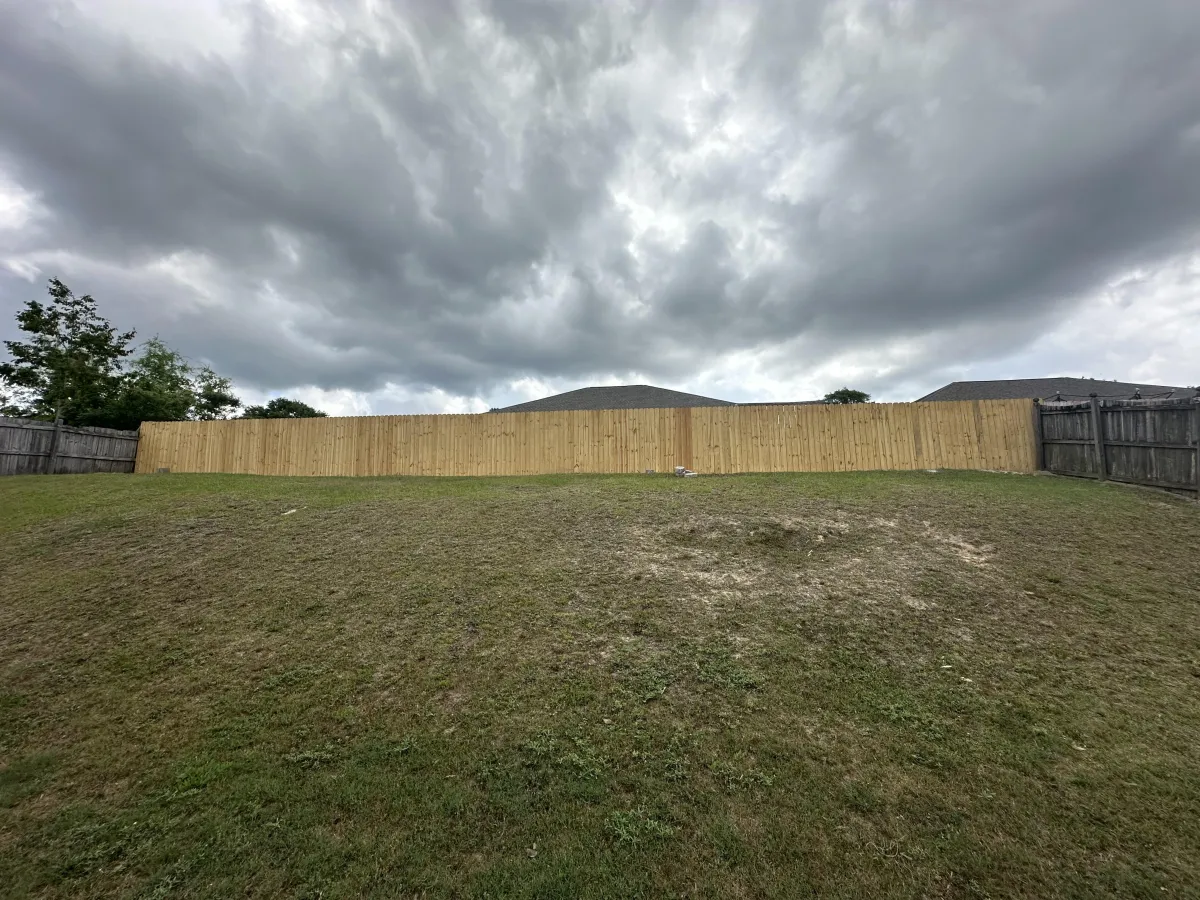
Wood Fence Staining Benefits: Should You Choose Stain or No Stain?
Wood Fence Staining Benefits: Should You Choose Stain or No Stain?
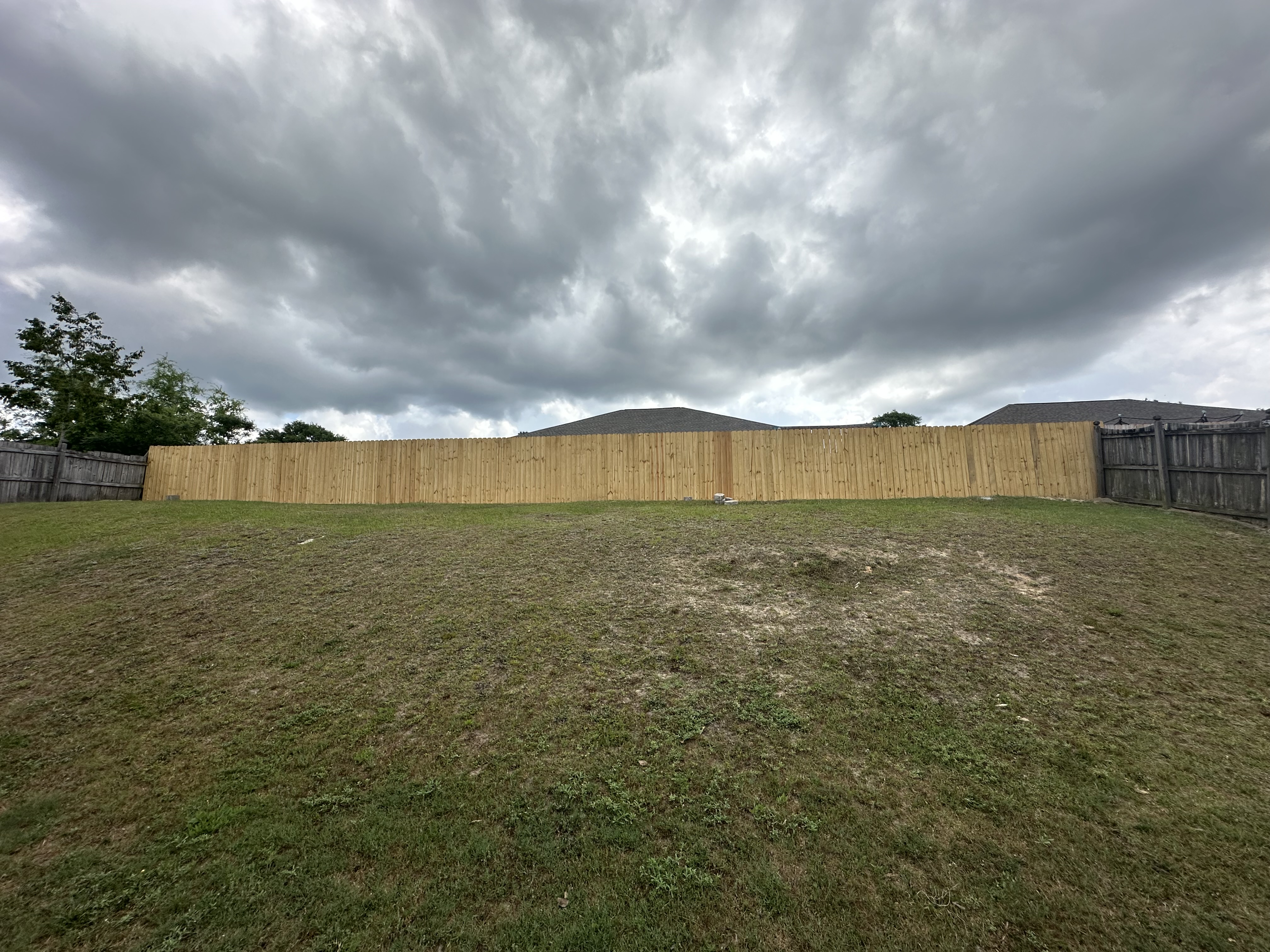
When it comes to maintaining the beauty and longevity of wood fences, the choice between staining and leaving them unstained is crucial. Staining not only enhances the aesthetic appeal of a fence but also provides essential protection against the elements. This article will explore the benefits of staining wood fences, the drawbacks of leaving them unstained, and the best types of stains and sealants available. By understanding these factors, homeowners can make informed decisions that will prolong the life of their fences and maintain their property’s value.
What Are the Key Benefits of Staining a Wood Fence?

Staining a wood fence offers several advantages that contribute to its durability and appearance. One of the primary benefits is protection from weather damage, which can lead to significant deterioration over time. Stains create a barrier that prevents moisture absorption, reducing the risk of warping and cracking. Additionally, stained fences often have enhanced aesthetic appeal, as they can be customized in various colors to complement the surrounding landscape. Finally, staining increases the longevity of the fence, allowing it to withstand the elements for many years.
For those looking to enhance their wood fence, professional "staining services" can provide high-quality results. Local fence stain services offer expertise in selecting the right stain and applying it effectively, ensuring optimal protection and appearance.
How Does Staining Protect Wood Fences from Weather Damage?
Staining protects wood fences by creating a barrier that repels water and prevents moisture from penetrating the wood. This is crucial because excess moisture can lead to mold growth, rot, and structural damage. Moreover, stains often contain additives that provide UV protection, which helps prevent the wood from fading and deteriorating due to sun exposure. By reducing moisture absorption and protecting against UV rays, stains significantly extend the life of wood fences.
Studies further emphasize the critical role of sealing, especially end-grain sealing, in preventing moisture absorption and improving coating effectiveness against fungal damage.
End-Grain Sealing: Improving Wood Coating Performance & Fungal Resistance Exposure trials performed over 7 years on L-joints prepared from several softwoods and hardwoods, have confirmed the effectiveness of end-grain sealing. With all species, sealing the end-grain reduced moisture uptake, resulting in improved coating performance and reduced fungal colonisation. The effectiveness of end-grain sealers in improving paint performance on softwood joinery: Part 3: Influence of coating type and wood species on moisture content and …, 1992
What Longevity and UV Protection Does Fence Stain Provide?
The longevity of a stained wood fence can be significantly greater than that of an unstained one. Many high-quality stains can last anywhere from 3 to 10 years, depending on the climate and the quality of the application. Additionally, "UV protection" is a critical feature of many stains, as it helps maintain the wood's natural color and prevents it from graying over time. This combination of longevity and UV protection makes staining a worthwhile investment for homeowners looking to preserve their fences.
What Are the Pros and Cons of Leaving a Fence Unstained?
While some homeowners may prefer the natural look of an unstained fence, there are notable disadvantages to this approach. Unstained wood fences are more susceptible to weather damage, which can lead to costly repairs and replacements. Over time, natural aging can cause the wood to lose its color and structural integrity, resulting in a less appealing appearance and potential safety hazards.
How Does Natural Aging Affect Unstained Wood Fences?
Natural aging affects unstained wood fences by causing color fading and structural integrity loss. As the wood is exposed to the elements, it can become gray and weathered, detracting from the overall aesthetic of the property. Additionally, the lack of protective coatings means that the wood is more vulnerable to moisture, leading to issues such as warping, cracking, and rot. This deterioration can compromise the fence's strength and longevity, making regular maintenance and eventual replacement necessary.
What Maintenance Challenges Arise Without Fence Staining?
Without staining, maintenance challenges for wood fences can increase significantly. Homeowners may find themselves needing to perform more frequent repairs, such as replacing rotting boards or addressing warping issues. Additionally, the long-term costs associated with maintaining an unstained fence can be higher, as the need for repairs and replacements can add up over time. Regular inspections and maintenance become essential to ensure the fence remains safe and functional.
Which Types of Fence Stains and Sealants Are Best for Wood Fences?
Choosing the right type of stain or sealant is crucial for maximizing the benefits of wood fence protection. Various options are available, each with unique properties that cater to different needs and preferences. Understanding these differences can help homeowners make informed decisions about their fence maintenance.
What Are the Differences Between Stain and Sealant for Fence Protection?
Stains and sealants serve different purposes when it comes to protecting wood fences. Stains penetrate the wood, providing color and enhancing the natural grain while offering protection against moisture and UV rays. Sealants, on the other hand, create a protective layer on the surface of the wood, preventing water penetration and protecting against mold and mildew. While both options are effective, stains often provide a more aesthetically pleasing finish, while sealants may require more frequent reapplication.
How Do Eco-Friendly and Long-Lasting Stains Compare?
Eco-friendly stains are becoming increasingly popular among homeowners who prioritize sustainability. These stains are typically made from natural ingredients and are free from harmful chemicals, making them safer for the environment and human health. Long-lasting stains, on the other hand, are formulated to provide extended protection and durability, often lasting longer than traditional options. When comparing these two types, it's essential to consider the specific needs of the fence and the desired aesthetic outcome.
Further research highlights the importance of protective coatings in enhancing wood durability, particularly with advancements in eco-friendly options.
Wood Protection: Enhancing Durability with Paint & Varnish Coatings The problem of using wood products is to ensure their protection with a paint and varnish coating in order to increase their durability. Therefore, the object of research was the resistance of the paint and varnish coating when finishing wood to the destruction of adhesion and the action of chemical reagents during operation. Research on the mechanism of wood protection with eco-friendly paint and varnish coatings, 2025
How Can You Maintain Your Wood Fence: Stain Vs No Stain?
Maintaining a wood fence requires different strategies depending on whether it is stained or unstained. Understanding these maintenance needs can help homeowners keep their fences in optimal condition.
What Are Essential Fence Maintenance Tips for Stained Fences?

For stained fences, regular maintenance is essential to ensure the longevity of the stain and the wood. Homeowners should perform routine inspections to check for signs of wear or damage. Cleaning the fence with a mild detergent and water can help remove dirt and debris, while reapplying stain every few years will maintain its protective qualities. Additionally, addressing any issues promptly can prevent more significant problems down the line.
How Do Maintenance Costs Compare Between Stained and Unstained Fences?
The maintenance costs for stained fences are generally lower than those for unstained fences. While the initial investment in staining may be higher, the long-term savings from reduced repairs and replacements can be significant. Unstained fences often require more frequent repairs due to weather damage, leading to higher overall costs. By investing in quality "staining services", homeowners can save money and time in the long run.
